
While Paramount may be excited about its acquisition of Warner Bros., Hollywood is speaking out against the merger.
Joaquin Phoenix, Ben Stiller, Jane Fonda, and over 1,000 other Hollywood professionals have signed an open letter opposing the merger of the two companies, claiming it will hurt the industry in years to come.
Opposing the Merge
The announcement of Paramount Skydance’s $111 billion acquisition of Warner Bros. Discovery came in late February after a battle with Netflix.
Just a couple of months later, Hollywood is speaking out about the impending consolidation. The open letter was published by the New York Times and is also available on BlocktheMerger.com.
It states, “The integrity, independence, and diversity of our industry would be grievously compromised. Competition is essential for a healthy economy and a healthy democracy. So is thoughtful regulation and enforcement.”
The letter even addresses the decreased opportunities within the film industry.
“The result will be fewer opportunities for creators, fewer jobs across the production ecosystem, higher costs, and less choice for audiences in the United States and around the world. Alarmingly, this merger would reduce the number of major U.S. film studios to just four.”
This would be Walt Disney Studios, Universal Pictures, Sony Pictures, and Warner Bros. Entertainment/Paramount Pictures.
Paramount’s Response
In response to the open letter, Paramount released the following statement:
We hear and understand the concerns that some in our creative community have raised and respect the commitment to protecting and expanding creativity.
Importantly, as creators we know firsthand that this is also a moment when the industry has been facing significant disruption—and the need for strong, creative-first and well-capitalized companies that can continue to invest in storytelling has never been greater.
This transaction uniquely brings together complementary strengths to create a company that can greenlight more projects, back bold ideas, support talent across multiple stages of their careers, and bring stories to audiences at a truly global scale—while strengthening competition by ensuring multiple scaled players are investing in creative talent.
We have been clear in our commitments to do just that: increasing output to a minimum of 30 high-quality feature films annually with full theatrical releases, continuing to license content, and preserving iconic brands with independent creative leadership —ensuring creators have more avenues for their work, not fewer.
We understand the concerns raised as a result of the disruptions caused to our industry by COVID, entry of big-tech, and changes in consumer behavior, but we promise this: Paramount remains deeply committed to talent, and this merger strengthens both consumer choice and competition, creating greater opportunities for creators, audiences and the communities they live and work in.
Featured Signers
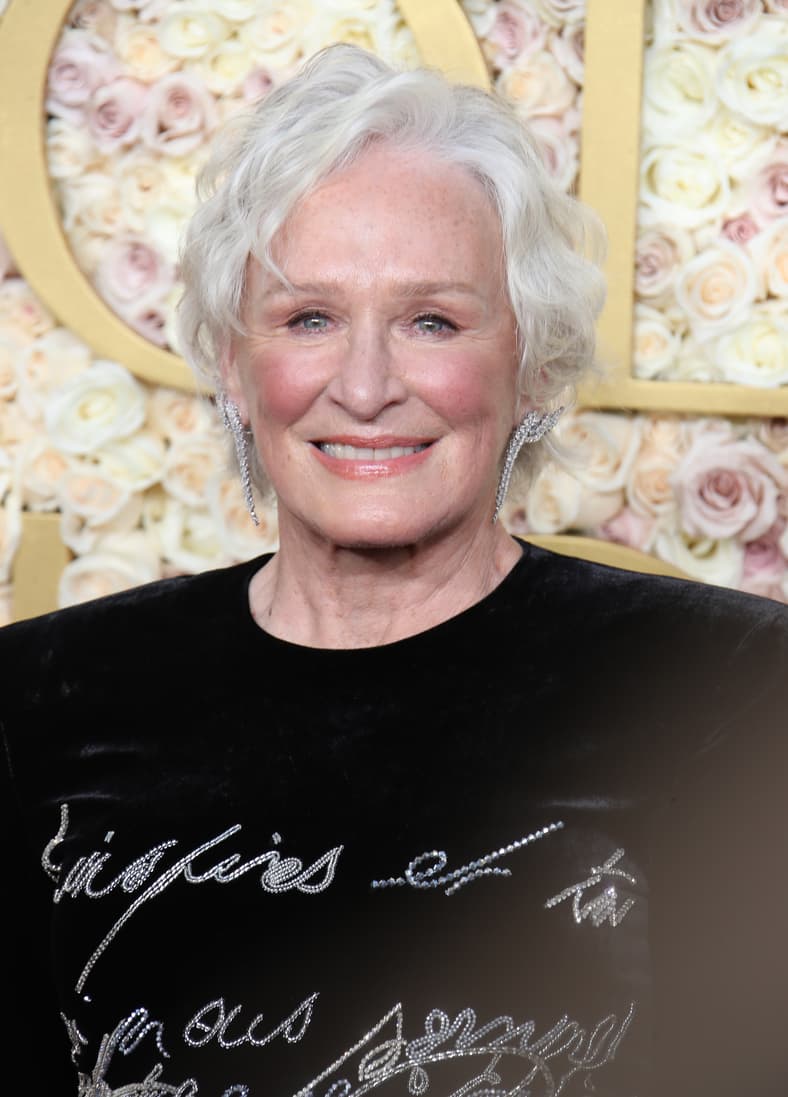
The open letter is not just from Hollywood’s actors and actresses.
It spans several facets of the creative community, including A-list stars, celebrated filmmakers, and acclaimed writers. The letter already has over 1,000 signatures, including several well-known names.
Featured signers include Glenn Close, Ben Stiller, Denis Villeneuve, David Chase, Adam McKay, Alan Cumming, Bryan Cranston, Cynthia Nixon, Elliot Page, Jane Fonda, JJ Abrams, Jason Bateman, Lin-Manuel Miranda, Margaret Cho, Mark Ruffalo, Noah Wyle, Patti Lupone, Rosie O’Donnell, Tiffany Haddish, Yvette Nicole Brown, etc.
Choosing to Sign
Many celebrities have spoken about signing the letter, including Watchmen creator Lindelof.
Currently under a deal with Warner Bros. Discovery’s HBO, he doesn’t have a negative opinion of Paramount CEO David Ellison, but instead signed in support of Hollywood’s “blue-collar town” makeup.
He wrote on Instagram, “It’s thousands and thousands of Grips and Gaffers. Drivers and Decorators. Builders and Boom operators. Camera teams and Caterers. And they’re all about to get f***ed. Hollywood mergers mean fewer movies and fewer TV shows and that means fewer jobs. When two storied backlots are owned by the same company, the outcome is intuitive —one becomes a Ghost Town. I’m scared. But I’m not a ghost. And a fight is already lost if it’s never fought. So I signed. Proudly. I understand why many of my peers have not — trust me, I’m more of a puker than a stormer. But these boats are heading for the beach whether we like it or not…”
The Full Open Letter
Below is the full open letter from Hollywood detailing the opposition to the merger:
As filmmakers, documentarians, and professionals across the movie and television industry, we write to express our unequivocal opposition to the proposed Paramount-Warner Bros. Discovery merger.
This transaction would further consolidate an already concentrated media landscape, reducing competition at a moment when our industries—and the audiences we serve—can least afford it. The result will be fewer opportunities for creators, fewer jobs across the production ecosystem, higher costs, and less choice for audiences in the United States and around the world. Alarmingly, this merger would reduce the number of major U.S. film studios to just four.
Our industry is already under severe strain, in large part due to prior waves of consolidation. We have witnessed a steep decline in the number of films produced and released, alongside a narrowing of the kinds of stories that are financed and distributed. Increasingly, a small number of powerful entities determine what gets made—and on what terms—leaving creators and independent businesses with fewer viable paths to sustain their work.
Media consolidation has accelerated the disappearance of the mid-budget film, the erosion of independent distribution, the collapse of the international sales market, the elimination of meaningful profit participation, and the weakening of screen credit integrity.
Together, these factors threaten the sustainability of the entire creative community. That includes endangering the professional lives of the tens of thousands of workers who help make up that community in predominantly small businesses and independent companies embedded in local economies and communities nationwide.
We are deeply concerned by indications of support for this merger that prioritize the interests of a small group of powerful stakeholders over the broader public good. The integrity, independence, and diversity of our industry would be grievously compromised.
Competition is essential for a healthy economy and a healthy democracy. So is thoughtful regulation and enforcement. Media consolidation has already weakened one of America’s most vital global industries—one that has long shaped culture and connected people around the world.
Fortunately, someone is doing something about all this. California Attorney General Rob Bonta and his colleagues in other states are reportedly scrutinizing the merger and considering legal action to block it. We are grateful for their leadership, and stand ready to support all efforts to preserve competition, protect jobs, and ensure a vibrant future for our industry, for American culture, and for our single most significant export.