
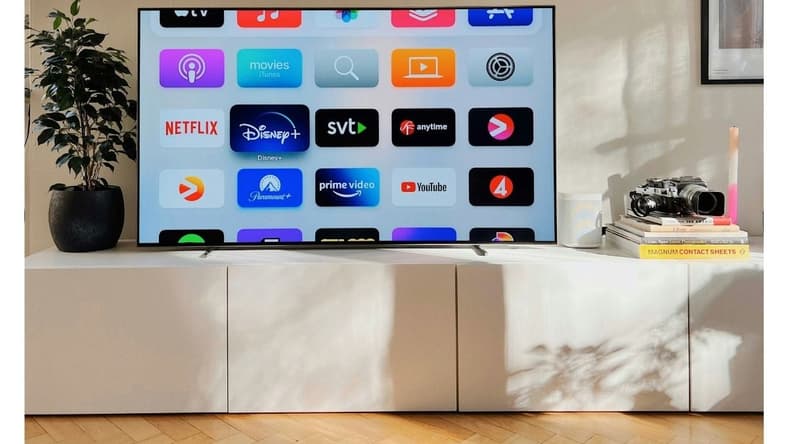
There was a time when “what’s on TV tonight” actually meant something. You would flip through channels, hope for the best, and work around somebody else’s schedule. Then streaming came along and changed the whole system. These seven services didn’t just give people a new way to watch. They rewired how the entertainment industry operates, from how shows get made to how we expect to watch them. Here are 7 streaming services that changed entertainment.
7. Netflix
It’s impossible to talk about this topic without starting here. Netflix started a revolution in distribution that turned streaming into the dominant way viewers watch movies and TV. What started as a DVD-by-mail company became the model every other media company would eventually try to copy. Filmmakers and showrunners flocked to Netflix over the following decade, drawn in by promises of creative freedom and the kind of money the company was willing to spend. The results racked up awards and a massive global audience. Netflix didn’t just enter the entertainment industry, it rewrote the rules of it.
6. Disney+
Disney+ launched at the end of 2019 with one of the most cohesive content libraries in the streaming world. From Star Wars, to Marvel, and even decades of classic Disney animations, they have it all. But what made Disney+ genuinely disruptive was its willingness to blur the line between theaters and home viewing. The platform moved major releases like Mulan and Black Widow to simultaneous theatrical and streaming debuts, giving audiences more flexibility right as home viewership was already trending upward.
5. HBO Max

HBO Max launched in 2020 carrying the weight of the HBO name. The prestigious content, premium pricing, and a library loaded with titles from across WarnerMedia’s brands, including DC and Cartoon Network. The platform went through more identity changes than almost any other streamer on this list. After WarnerMedia merged with Discovery, HBO Max and Discovery+ combined into the simplified “Max,” temporarily dropping the HBO branding altogether. Despite the rebrands, the service proved that prestige TV could thrive in a streaming-first world
4. Amazon Prime Video
Amazon took a completely different approach to the streaming wars by folding video service into something people were already paying for. That bundling strategy turned out to be genius. Prime Video didn’t need to win the content war outright because it was already baked into a subscription tens of millions of households already had. It also pioneered the idea of weaving live sports into a streaming platform, something that’s now become standard across the industry.
3. Hulu

Hulu gets overlooked in a lot of these conversations, but it deserves real credit for normalizing next-day streaming of network television. It proved there was a real appetite for catching up on shows outside of their original broadcast time, long before “binge-watching” was a part of the cultural vocabulary. Hulu essentially built the bridge between traditional cable habits and the on-demand world that came after it.
2. Apple TV+
Apple TV+ launched without a massive legacy library to lean on, which made its strategy completely different from everyone else’s. Instead of competing on volume, it bet everything on prestige originals. Shows like Ted Lasso and Severance proved that a streamer with a smaller catalog could still dominate awards season and cultural conversation. Apple TV+ showed the industry that quality over quantity could be a legitimate path to relevance, even against streamers with decades-deep libraries.
1. Peacock
NBCUniversal’s entry into the streaming wars leaned hard into something most competitors didn’t have. The streaming of live sports and news. Peacock built its identity around the Olympics, NFL games, and WWE, proving there was a real audience willing to pay for a streamer built around live events instead of just on-demand catalogs. It’s a model that’s only become more relevant as more services start chasing the same strategy.