
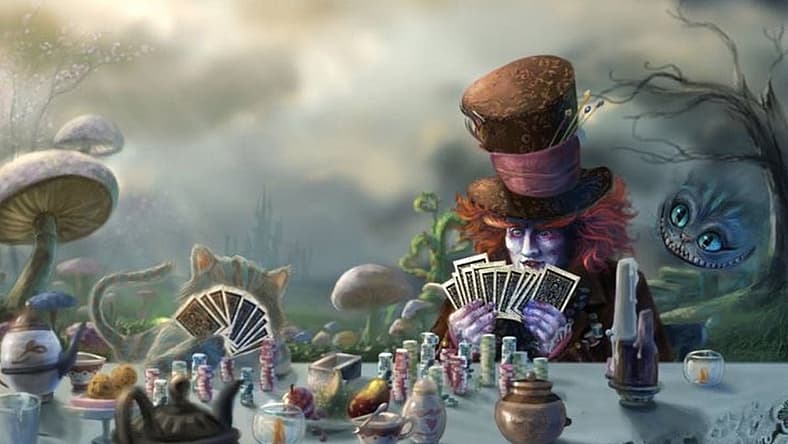
Regardless of how many new movies and shows come out, there are certain fictional characters that never go out of style. These characters are recognizable, lovable, and sometimes even based on historical realities. While we know the characters, we don’t always know the real-life inspiration behind them. Here are 6 fictional characters based on history.
6. The Mad Hatter
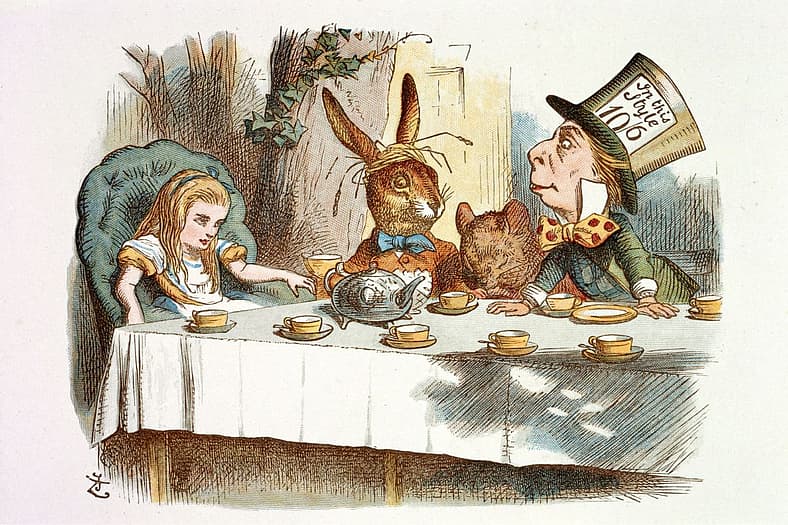
The story of Alice In Wonderland is a popular work of fiction. However, the Mad Hatter is based on reality. Through the 19th century, hat makers – also known as hatters – used mercurous nitrate to cure the felt in the hats they made. This was before standard safety procedures were in place, as mercurous nitrate is a neurotoxin.
Prolonged mercury exposure led to symptoms often mistaken for madness: memory problems, jerky movements, irritability, and, in extreme cases, psychosis or hallucinations. As a result, the phrase “mad as a hatter” was coined, ultimately leading to the famous character, the Mad Hatter. The history of this lovable character reveals a darker, more disturbing origin than the average fan would guess.
To this day, chronic mercury poisoning is commonly referred to as Mad Hatter’s Disease.
5. Popeye
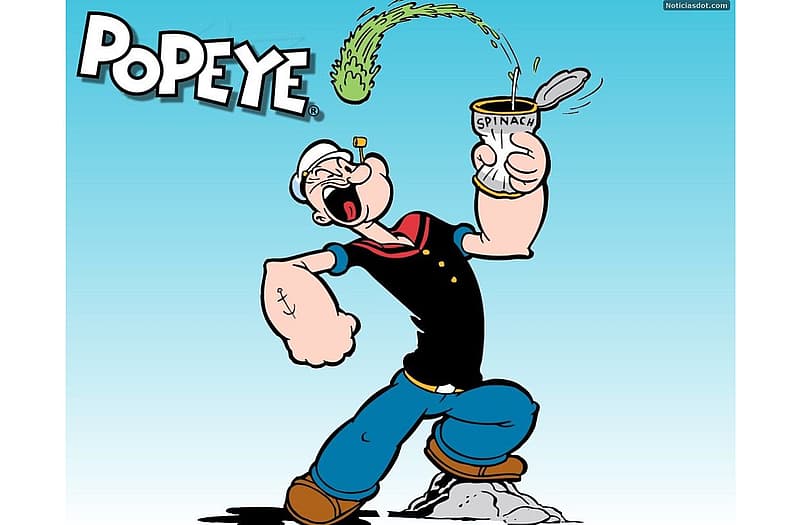
One of the most defining characteristics of this classic character is his love of spinach. It seems like he is eating spinach in every episode, encouraging viewers to do the same. While spinach is definitely nutritious, Popeye’s spinach craze actually began with a famous nutrition facts error.
When recording the iron content of spinach in the 1800s, a scientist misplaced a decimal. As a result, people believed spinach had ten times the amount of iron that it actually contains.
As Popeye became popular in the 1930s, so did this leafy green vegetable. Spinach consumption skyrocketed by 33 percent as a result of Popeye’s influence. People everywhere began eating more spinach, hoping it would result in Popeye-like muscles.
4. Yoda
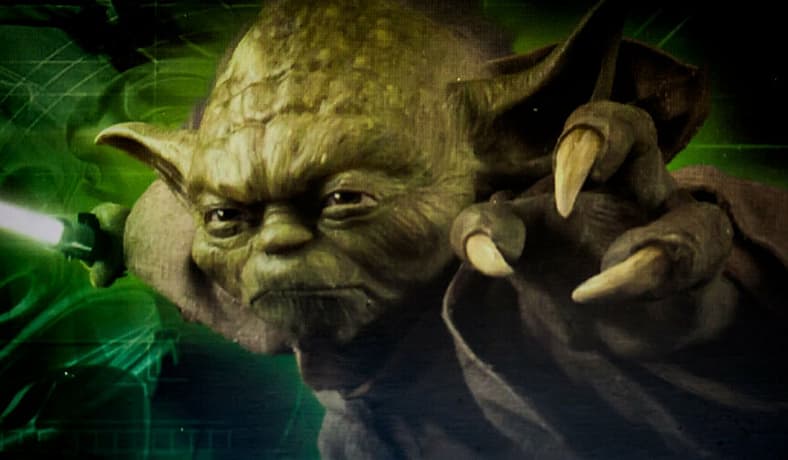
The look of this wise Jedi was inspired by a very well-known historical figure: Albert Einstein. During the process of bringing Yoda to life for The Empire Strikes Back (1980), special effects artist Stuart Freeborn worked in a room where a photo of Einstein hung on the wall.
Whether it was on purpose or not, elements of Einstein’s appearance made their way into Yoda’s image. The wrinkled look around Yoda’s eyes, coupled with his wispy white hair, resembles the famous physicist.
3. The Lorax
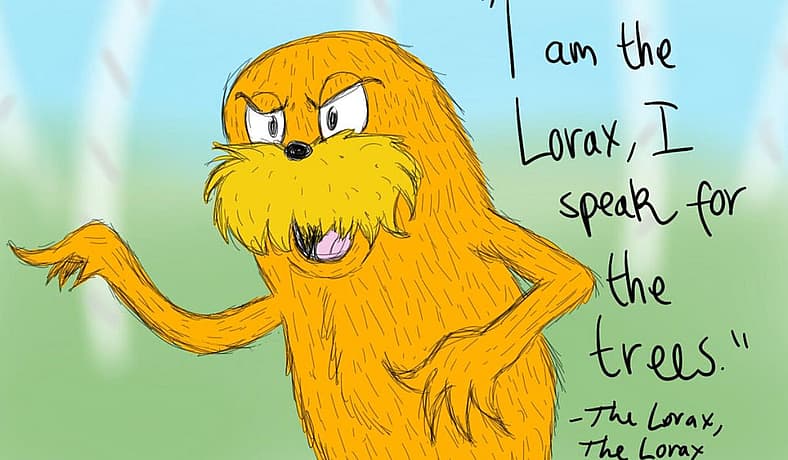
The Lorax speaks for the trees–but not merely in Thneedville. On a trip to the Mount Kenya Safari Club in Africa, Dr. Seuss witnesses deforestation firsthand. The experience prompted him to create this character. Not only to entertain, but to inform people about the real dangers of deforestation and inspire them to do their part.
While he was on the trip, Seuss also encountered a mustachioed patas monkey. This small furry creature has the appearance of bushy eyebrows and a thick mustache. Those traits, alongside his orange colored fur, may have been the inspiration for the character’s iconic look.
2. Dracula
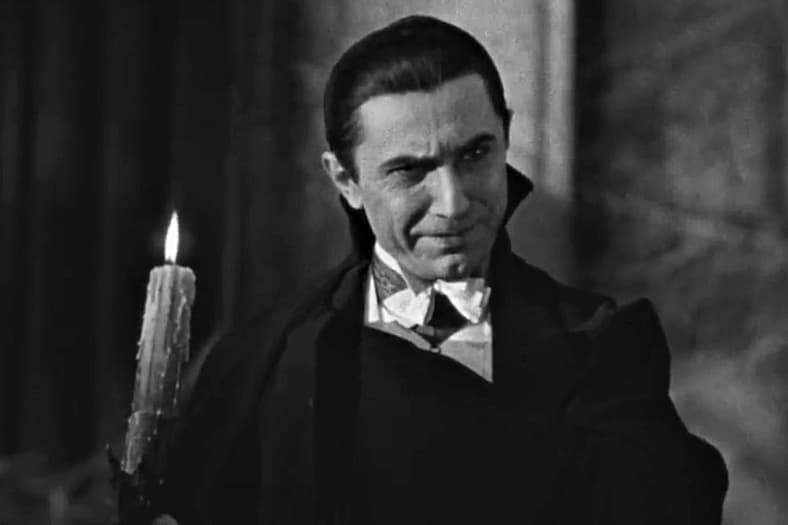
This famous fictional vampire was inspired by a real historical figure. Vlad III was the Prince of Wallachia, present-day southern Romania. As a ruler, he was savage and violent, earning him the nickname Vlad Tepes aka, “The Impaler.”
That nickname, however, came after his death. During his lifetime, he was known as Vlad Dracula, which he inherited from his father, Vlad II. This name was inspired by the Roman word “Dracul,” meaning “dragon” and “devil.”
The inspiration for Dracula’s name and setting in Transylvania came from a book called An Account of the Principalities of Wallachia and Moldavia (1820). It explained that “Dracula” meant “devil,” and pointed the author of Dracula in the direction of Vlad the III.
1. Willy Wonka
This famous fictional character was originally created by Roald Dahl based on his own experience. As a kid, Dahl was invited to be a taste tester for Cadbury. He had the opportunity to try different chocolates and provide feedback before release. This experience sparked an interest in the world of chocolate making.
As a kid in a chocolate factory, his imagination spiraled, envisioning men in white overalls experimenting with chocolate creations. This was the inspiration for Wonka‘s famous Oompa Loompas.
At this time, it was not uncommon to protect chocolate recipes from thieves working for competing companies. This was the inspiration for Wonka’s secretive nature and his reliance on his Oompa Loompa companions.